
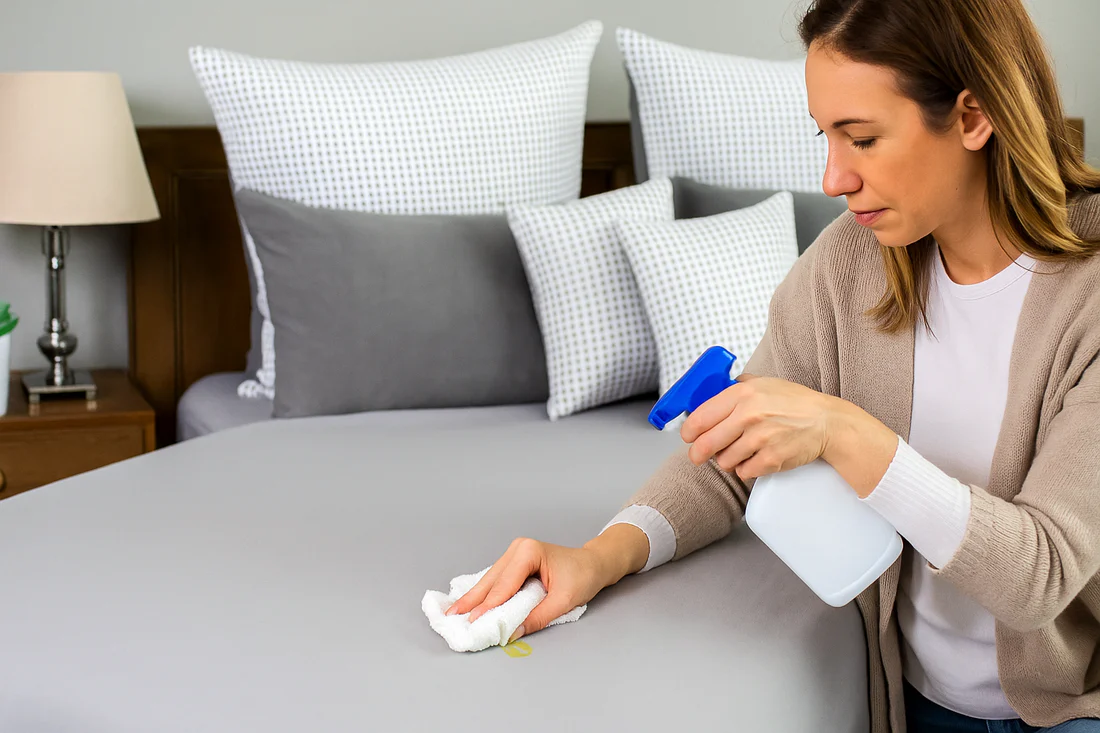
Oil stains are a common dilemma faced by households, especially when it comes to maintaining the cleanliness of the best fabric bedsheets. Understanding the nature of these stains is crucial for effective removal. Typically, oil stains can originate from a variety of sources, including cooking oils, personal body oils, and other lubricants. Each of these oil types can pose unique challenges when they come into contact with fabric fibers.
Cooking oils, such as olive oil or vegetable oil, are particularly notorious for leaving persistent stains. These oils are often viscous and have a high fat content, making them difficult to absorb and remove from fabric. Similarly, body oils, which can naturally accumulate on bedsheets over time, provide an additional layer of complexity when considering how to remove oil effectively. Personal hygiene products, such as lotions or creams, can also contribute to oil stains, making the fight against unwanted marks even more arduous.
The interaction of oils with fabric fibers is essential to understanding how to approach stain removal. Oils tend to seep into the fibers, coating them and thus creating a barrier that standard washing techniques may not remove. This deep penetration makes it necessary to use specific strategies when tackling oil stains. Furthermore, addressing these stains promptly can significantly improve the likelihood of successful removal. The longer an oil stain sits, the more challenging it becomes to eliminate, as the oils can bind to the fibers and make them difficult to dislodge.
In summary, oil stains on bedsheets arise from a variety of common sources and present challenges because of their ability to bind with fabric. Recognizing the type of oil involved and addressing stains as soon as they occur will aid in effectively removing oil from bedsheets and preserving the quality of your fabric selections.
Immediate Steps to Take When an Oil Stain Occurs
When an oil stain occurs on your bedsheets, immediate action is essential to improve your chances of successfully removing the oil. The first step is to gently blot the stain with a clean, dry cloth or paper towel. This action helps to absorb as much of the oil as possible before it spreads further into the fabric. Avoid rubbing the stain, as this can push the oil deeper into the fibers of the sheet.
Identifying the type of oil is also important. If the oil is from a cooking source, such as olive or vegetable oil, it may react differently than other types of oils, such as cosmetic oils. Understanding the type of oil can guide you in selecting the right treatment method to effectively remove oil from bedsheets.
After soaking up the excess oil, assess what household items you have available for preliminary treatment. Common kitchen ingredients like cornstarch or baking soda can be effective for absorbing oil. Sprinkle a generous amount of cornstarch or baking soda onto the stain and let it sit for at least 15-20 minutes. This allows the powder to absorb the oil before it is carefully brushed off. Another approach is to use dish soap, especially one optimized for cutting grease, as it can help in breaking down oil properties.
It’s crucial to remember that acting quickly enhances the overall effectiveness of these treatments. The longer an oil stain sets into the fabric, the more difficult it becomes to remove it, particularly from the best fabric bedsheets. Thus, knowing how to remove oil promptly is a key step in maintaining the integrity of your bedding.
Effective Techniques for Removing Oil Stains
Removing oil stains from bedsheets can be a challenging task, but with the right techniques, it can be done effectively. Here are some proven methods to consider:
1. Using Cornstarch or Baking Soda: One of the simplest ways to start is by applying a generous amount of cornstarch or baking soda directly onto the oil stain. These powders are excellent absorbents that can effectively draw out the oil from the fibers. Leave the powder on the stain for about 15-30 minutes. Afterward, gently brush off the powder and wash the bedsheet in the washing machine with your regular detergent.
2. Dish Soap Method: Dish soap is not only effective for cleaning dishes but also works wonders on oil stains. Make a solution with two tablespoons of dish soap and one cup of warm water. Using a clean cloth, dab the solution onto the stain and gently blot. Rinse with cold water before laundering the bedsheet as per usual. This method is particularly effective for the best fabric bedsheets as it breaks down the oil without damaging the fabric.
3. Vinegar Solution: Mixing equal parts of white vinegar and water creates a powerful stain remover. Apply the solution to the oil stain, allowing it to soak for about 10 minutes. The acidity of vinegar helps cut through grease. After that, wash the sheets with your detergent. This method can be beneficial for various bed sheet fabrics.
4. Specialized Stain Removers: If the above methods do not yield the desired results, consider using a store-bought stain remover specifically designed for oil stains. Follow the manufacturer’s instructions on the fabric type to ensure it is safe to use on your bedsheets. Always perform a patch test on an inconspicuous area before fully applying any new cleaning agent.
Regardless of the method chosen, always read the label on your bedsheets. This will help you determine the best fabric design bedsheets and any precautions you may need to take to prevent damage. By following these effective techniques on how to remove oil stains from your bedsheets, you can keep them looking fresh and clean.
Preventing Future Oil Stains on Bedsheets
Oil stains on bedsheets can be a frustrating issue, but there are effective strategies to avoid them in the future. To begin with, consider investing in high-quality bed protectors, which act as a barrier against spills and stains. These protectors can be easily washed and will prolong the lifespan of your best fabric bedsheets.
It’s also essential to be mindful of the products you use near your bedding. Oil-based lotions, creams, and even food can inadvertently transfer onto your sheets. By keeping these items at a safe distance, you can significantly reduce the likelihood of encountering oily stains. Additionally, when preparing to rest or sleep, ensure that your hands are clean and free from any oily residues, as this can help keep your sheets pristine.
Establishing a regular cleaning routine is another proactive measure to prevent oil stains. Regular washing of your best fabric design bedsheets can help remove any potential stains before they set in. It is advisable to wash your sheets bi-weekly and to address any stains immediately, should they occur. This way, you are always maintaining a level of cleanliness in your sleeping environment.
Furthermore, when selecting linens, you may want to consider fabrics that are naturally more resistant to stains. Cotton and polyester blends, for instance, can be better at resisting oil than pure cotton or other delicate materials. By choosing the right fabric, you can maximize the durability and longevity of your bedsheets.
By implementing these strategies, you can enjoy a more oil-free sleeping experience, while also ensuring that your best fabric bedsheets remain in excellent condition for years to come.