Understanding the Nature of Ink Stains
Ink stains are a common nuisance that can occur on various fabrics, including bedsheets. The composition of ink varies depending on its type, which significantly influences how each type interacts with fabrics. Most inks are composed of colorants (dyes or pigments) dissolved in a carrier fluid, which may include water or oil. Ballpoint pen ink typically contains oil-based pigments that can bind tightly to the fabric fibers, making these stains particularly challenging to remove. In contrast, gel ink is generally water-based and may be somewhat easier to tackle.
Fountain pen ink, on the other hand, contains a higher water content and can leave behind more complex stains due to its dye-based formulas. These differences in chemical composition help explain why some inks are more stubborn than others when it comes to how to remove ink from bedsheets. The initial interaction between ink and the fabric fibers can result in penetration that can cause stains to become deeply embedded.
The persistence of ink stains is also exacerbated by the drying process. Once the ink dries, the colorants can adhere to the fibers of the bedsheets, leading to greater challenges in removal. Therefore, promptly addressing stains as soon as they occur can greatly enhance the effectiveness of any chosen removal method. It is essential to employ specific techniques for different types of ink to increase the chances of successfully removing ink from bedsheets.
Quick Assessment Before Treatment
Before attempting to remove ink stains from your bedsheet, it is essential to conduct a quick assessment to determine the best course of action. The type of fabric that makes up your bedsheet is a critical factor in your stain removal strategy. Different materials, such as cotton, linen, or polyester, may respond differently to cleaning agents. Therefore, knowing the specific fabric will help you to avoid damaging the bedsheet while effectively working to remove the ink.
Next, assess the age of the ink stain. Fresh stains are generally easier to treat than dried ones. If the ink has recently set into the fabric, prompt action can yield better results. To ascertain the age of the stain, observe the color’s intensity; fresh stains are usually darker and more vivid. This key observation enables you to implement effective methods, such as blotting to lift the ink before it has a chance to bond with the fiber. For older stains, it may require a different approach, often involving soaking or utilizing stronger cleaning solutions.
Furthermore, determine whether the ink is from a ballpoint pen, permanent marker, or fountain pen, as each type may require specific handling techniques. Ballpoint ink, for example, often responds to rubbing alcohol, while permanent markers may need more potent solvents. Additionally, assess whether the stain is wet or dry. If the ink is still fresh, avoid rubbing, as this will push the ink deeper into the fabric. Instead, lightly blot the area with a clean cloth to remove any excess ink. Understanding these components will significantly aid in effectively addressing the problem of how to remove ink stains from your bedsheet without damaging the design or fabric of the material.
Step-by-Step Guide to Ink Stain Removal
Removing ink stains from bedsheets can be an effective process when approached systematically. Here is a detailed guide outlining various techniques that can help you successfully remove ink. Always act quickly, as fresh stains are much easier to treat than older ones.
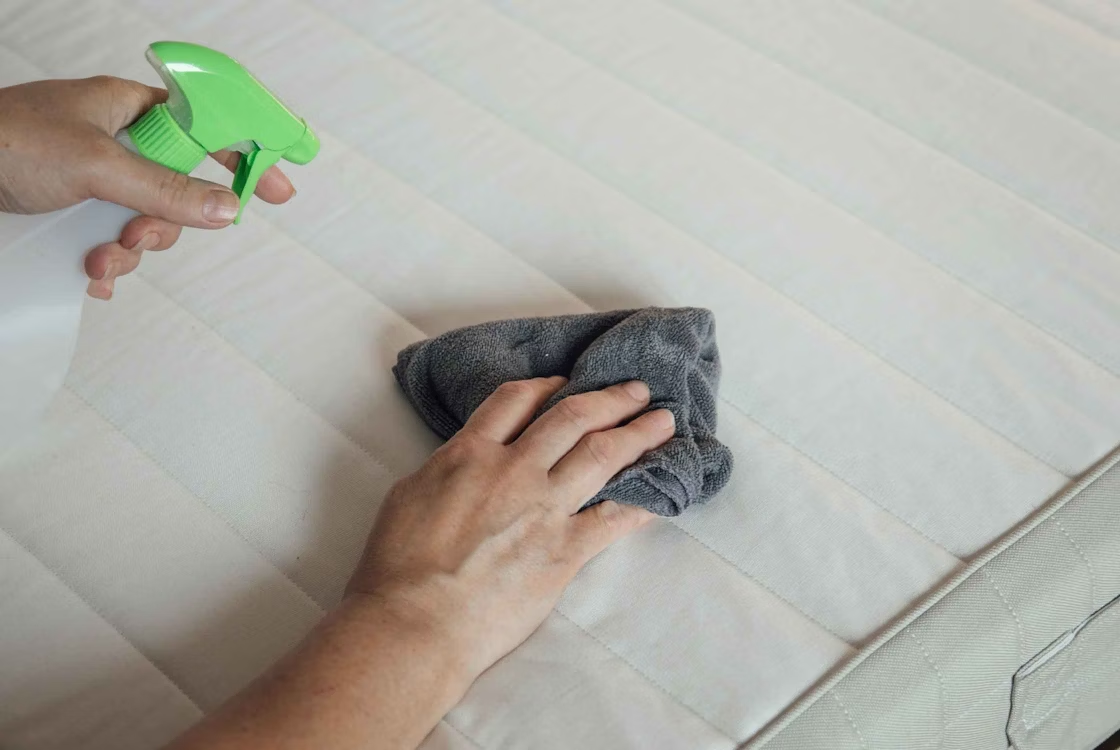
First, gather your materials. You will typically need rubbing alcohol, hand sanitizer, dish soap, a white cloth or paper towels, and cold water. Begin with the rubbing alcohol method, which is known for its efficacy. Blot the ink stain gently with a cloth to absorb any excess ink; do not rub, as this can spread the stain further. Next, apply a small amount of rubbing alcohol directly onto a clean cloth and dab it onto the stain. Allow it to sit for about 5-10 minutes, and then rinse thoroughly with cold water.
Another suitable method is the use of hand sanitizer. It contains alcohol and can be effective in removing ink as well. Apply a generous amount onto the stain and rub it in with your fingers. Let it soak for a few minutes before rinsing it out with cold water.
For those who prefer household items, dish soap can also be beneficial. Mix one tablespoon of dish soap with two cups of cold water. Use a cloth to apply the solution to the stained area, gently working it into the fabric. After treating the stain, make sure to rinse the bedsheet under cold water to remove any soapy residue.
Once you have completed the ink removal process using your chosen method, you should air dry the bedsheet. Avoid using a dryer until you are sure the stain has been completely removed, as heat can set the stain. By following these steps, you can effectively remove ink from your bedsheet and preserve its design and quality.
Preventing Future Ink Stains on Your Bedsheets
Maintaining the integrity of your bedsheets and preventing ink stains can be achieved through a series of practical measures. The first and foremost step is the safe storage of writing instruments. Pens, markers, and other ink-based tools should be kept in secure compartments, away from areas where they may accidentally leak or spill. A designated writing station within a desk drawer can significantly reduce the risk of ink exposure to linens.
Using protective covers can also save your bedsheets from potential stains. Bed protectors, which can be placed beneath your sheets, are excellent at absorbing any accidental spills from ink or other substances. Additionally, consider the use of a washable throw or a blanket when writing or reading in bed. This alternative creates a barrier between your writing instruments and your bedding, lessening the possibility of unwelcome ink marks.
Furthermore, it is advisable to establish a routine for proofreading and writing in bed. Opt to use a lap desk, which provides a flat surface and a boundary that keeps your pens and papers from sliding off and potentially ruining your bedsheets. As a best practice, address any mishaps immediately by moving to a designated area when in doubt about the security of your writing tools.
Regular maintenance and care of your bedsheets will also aid in their longevity and appearance. Washing your bedsheets according to the manufacturer’s instructions and checking for any signs of wear can help spot potential issues before they escalate. This preventative approach minimizes the likelihood of stains, including ink, becoming permanent fixtures on your luxurious bedsheet designs. By following these simple guidelines, you can enjoy a clean, stain-free sleep environment.